
Guides · Sat, Nov 28, 2026
SeaWorld San Diego: the original park on the bay
SeaWorld San Diego is the first park in its chain, opened on Mission Bay in 1964 by four founders whose underwater restaurant idea became a marine zoological park, and grown since from 22 acres to 189. The third animal day, the bay's own park, gets its full treatment: the animal half and the coaster half, the rescue work the ticket funds, and how to work a day that is half aquarium, half thrill rides without wasting either.
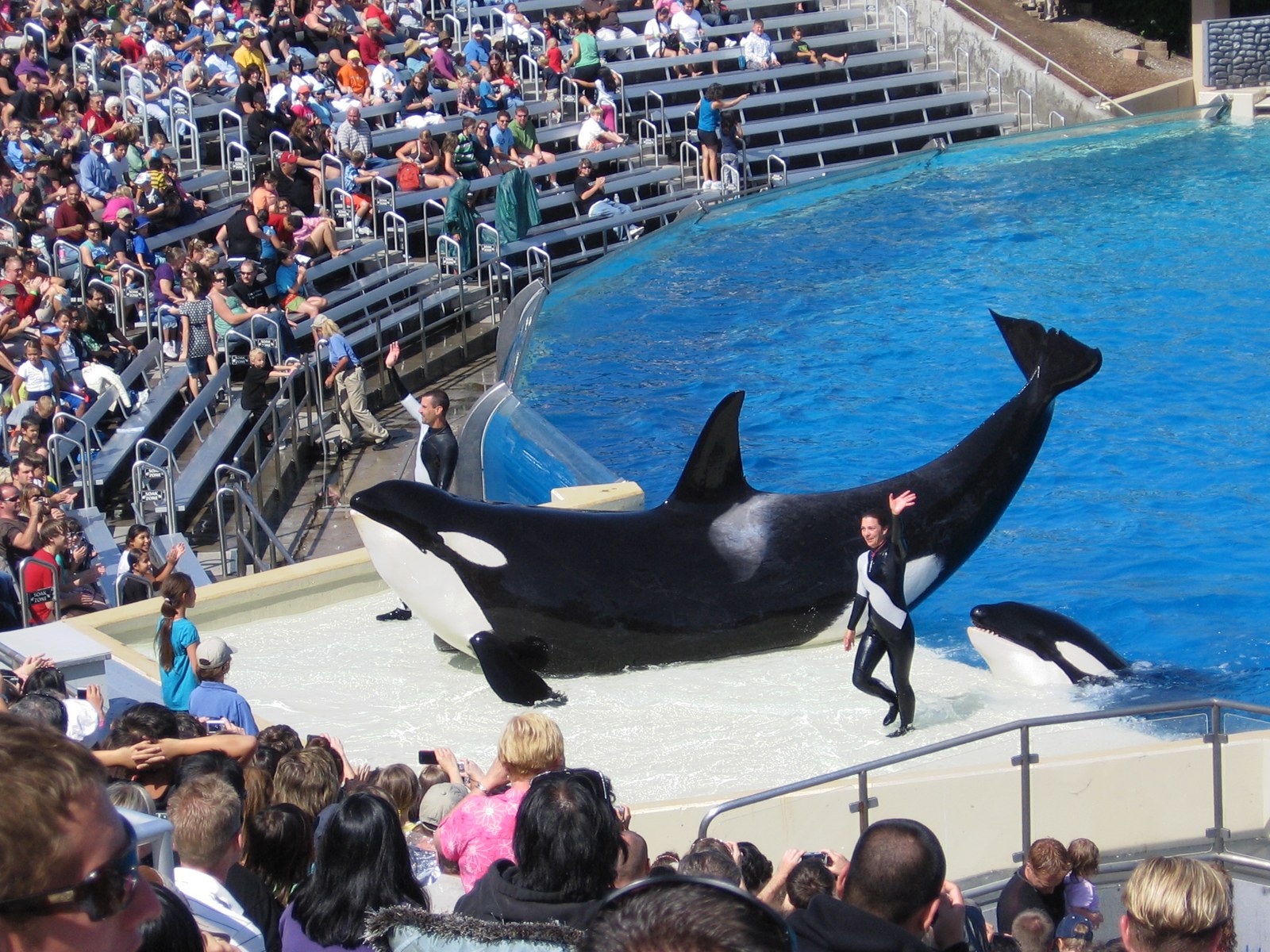
Every animal lover's San Diego has a shortlist, and this site has already worked most of it: the Zoo and the Safari Park, compared for the two Wildlife Alliance days, and the family circuit that strings them together. The third animal day is a different animal altogether. SeaWorld San Diego stands on the southern shore of Mission Bay at 500 Sea World Drive, and it is the original: the first park in the SeaWorld chain, opened on 21 March 1964, on filled marshland at the edge of the bay. Its four founders, graduates of UCLA, had set out to build an underwater restaurant. The engineering said no, the idea grew into a marine zoological park instead, and the park that opened that March had 22 acres, a few dolphins and sea lions and two saltwater aquariums. More than 400,000 people came in the first year. Sixty years on, the park covers 189 acres and splits cleanly into two parks sharing one gate, an oceanarium and a coaster park, and working it well means understanding that you have bought both.
The animal half
The marine park is the foundation and still the reason the place exists. The headline residents are the orcas, and honesty about their presentation matters: the theatrical Shamu shows that defined this park for decades ended in San Diego in 2017, and what replaced them is Orca Encounter, a presentation built around the animals' behavior, hunting and communication, closer to a documentary performed live than to the old circus format. Around it, the park keeps the full marine circuit: dolphins, sea lions, beluga whales and walruses, a penguin colony behind glass cold enough to fog, sharks passed over and under in the Shark Encounter's tunnel, and Explorer's Reef at the entrance, where the day starts with your hands in the water among cleaner fish and rays. The park is accredited by the Association of Zoos and Aquariums, and its second job, the rescue work the ticket funds, runs quietly behind the first and gets its own section below. Plan the animal half around the presentation schedule rather than against it: the day's show times are published each morning, the big stadium presentations anchor the day, and the aquariums and habitats are at their calmest in the first hour and the last, when the crowds are at the rides.
The rescue ledger
The animal half has a second ledger, and a fair account of this park has to open it. SeaWorld's rescue operation is not a display but a working service: teams based at the park respond to stranded, sick and injured marine animals along the Southern California coast, rehabilitate them behind the scenes and return the great majority to the ocean, and the company puts the cumulative total across its parks at more than 42,000 animals rescued to date. Visitors see the front of that work in the rescue themed corners of the park, including Rescue Jr., the play and encounter area that puts small children inside the story of an animal hospital rather than in front of a tank. Whether that ledger balances the ethics of keeping orcas in a stadium pool is a judgment this guide leaves where it belongs, with the reader; what can be said on the record is that the park in front of you is accredited, inspected and genuinely double natured, a theme park whose ticket also funds a working marine animal rescue service. Hold both halves of that sentence and you have the honest frame for the day. The rest of the park, the half built of steel, needs no such framing at all.
The coaster half
What surprises first timers is how much of the modern park is machinery. SeaWorld has spent two decades building a serious coaster collection into the marine park's gardens, and the two headliners carry the superlatives on the park's own ticket page: Emperor, a floorless dive coaster billed as the tallest, fastest and longest of its kind in California, with a 90 degree drop; and Arctic Rescue, a snowmobile style straddle coaster billed as the fastest and longest on the West Coast. Manta launches its riders through an aquarium, Electric Eel twists through multiple launches, and there is a family tier below them, plus the Sesame Street corner for the smallest visitors. The practical consequence is a park with two rush hours running in opposite directions: the coasters queue hardest in the middle of the day, the animal presentations fill on a fixed schedule, and the visitor who rides early, watches in the middle and returns to the habitats late will spend the day walking against the crowd rather than standing in it. A full day is the right allowance. SeaWorld can be half done in five hours, but it will feel like exactly that. Pace is the difference between the two versions of the day: the park is big enough, at 189 acres, that an unplanned day dissolves into walking between other people's decisions, while a planned one, rides early, presentations in the middle, habitats at the ends, has a shape like a good zoo day with a fairground folded through it. Eat early or late rather than at noon, rest in the aquariums rather than on the benches, and let the smallest visitors set the afternoon's speed, because the park's family tier is spread across the whole ground and a tired child at the far end of 189 acres is a logistics problem, not a memory. None of this is complicated. It is simply the difference between visiting a park and working one, and this park, more than most, repays being worked.
Working the day, and the bay around it
The park sits inside Mission Bay, and the two belong to the same trip: the bay's hotels are the park's natural base, its beaches are the morning before or the evening after, and a two day stay can hold the park and the water without a car moving more than a mile. Inside the gate, three rules do the work. Arrive for opening, because the first hour is worth two at noon. Build the day outward from the published presentation times, not from the map, because the habitats keep all day and the shows do not. And expect the standard theme park economics on food and parking, and budget for them rather than being ambushed by them at the gate. The day's natural rhythm runs like this: rides in the first hour while their queues are short, the stadium presentations and the big habitats through the middle of the day, a slow aquarium circuit in the afternoon heat, and a last coaster round in the evening, when the day visitors thin and the park lights come on. The park also layers seasonal events across the year, its Christmas Celebration running on into the first days of January, so a visit in any given month should start with the park's own calendar for what has been added to the standard day. Tickets, on the site's verified route:
Book SeaWorld ticketsvia Klook · affiliate link
Base yourself on the bay itself and the park becomes a walkable day rather than an expedition:
Stay on Mission Bayvia Booking.com · affiliate link
SeaWorld is the park San Diego built for itself before it built one for anybody else, a restaurant that failed upwards into an oceanarium, and then into something bigger and stranger: half zoo, half coaster park, standing on a filled marsh at the edge of a made bay. It rewards the visitor who takes both halves seriously, and it punishes, gently and reliably, the visitor who tries to skim either one of them in an afternoon. Set a San Diego What's On alert and we will email you when the park's seasonal events and the bay's festival dates land on the calendar.
More reading on the articles page, or go straight to the events calendar.