
Guides · Wed, Nov 11, 2026
San Diego Zoo or Safari Park: which one, and how to plan the day
The Zoo and the Safari Park share a name, a ticket price and a conservation mission, and almost nothing else. One is a dense, walkable classic in Balboa Park; the other is 1,800 acres of savanna an hour inland. The honest decision, park by park, and how to plan each day once you have chosen.
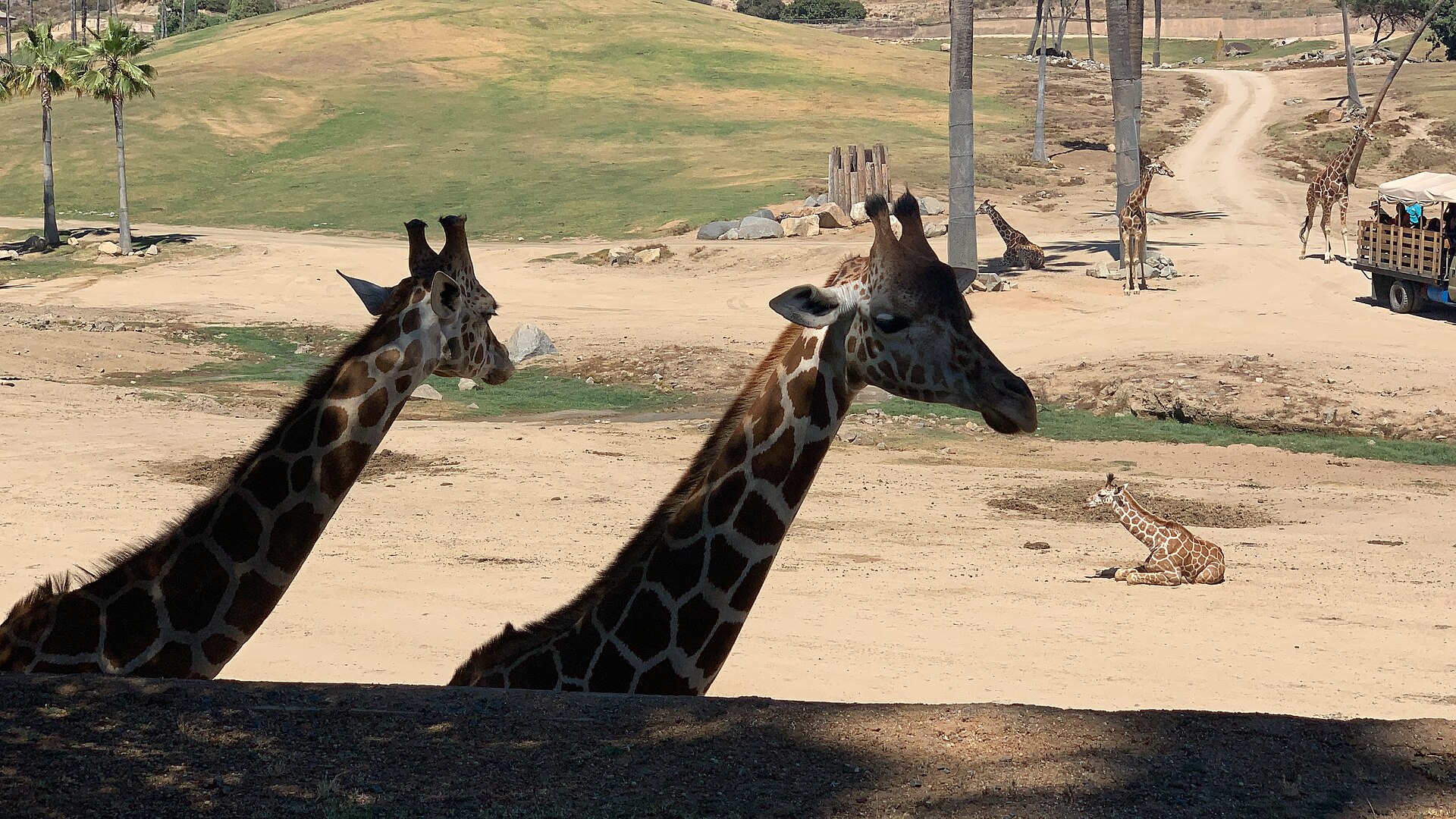
Every San Diego trip meets the same question, usually at breakfast: the Zoo or the Safari Park? They are run by the same nonprofit, the San Diego Zoo Wildlife Alliance, they charge the same headline price, and visitors constantly assume they are two sizes of the same thing. They are not. The San Diego Zoo is a classic city zoo of the highest order, 100 acres inside Balboa Park, minutes from downtown, where you walk from habitat to habitat. The San Diego Zoo Safari Park is a wildlife park of 1,800 acres in Escondido, roughly 35 miles northeast, where herds of giraffes, rhinos and antelope roam savanna enclosures big enough to need a tram. Choosing between them is not about which is better. It is about what kind of day you want, how much time you have, and whether an hour's drive each way fits your trip. Here is the decision made properly, then each day planned.
The decision, in one table of trade offs
Choose the Zoo if your time is short, you are staying downtown or in Balboa Park's orbit, or you want the famous collection in depth: more than 12,000 animals of over 680 species and subspecies, packed into a walkable, shaded park you can combine with Balboa Park's museums the same day. It is the only sensible pick on a one day visit to the city, and the easier park without a car.
Choose the Safari Park if the animals in landscape are the point: mixed herds at distance, rhinos and giraffes on open ground, the closest thing to a safari day available in California. You trade a serious drive and a hotter, more exposed inland valley for space and spectacle, and you need the best part of a full day door to door.
Do both if you have two days to give them. They are too far apart, and each is too big, for a same day double; anyone who tries will see the worst of both. The 2-Visit Pass, covered below, exists precisely for this.
The Zoo: the dense classic, planned
The Zoo sits at 2920 Zoo Drive in Balboa Park, and its 1-Day Pass includes the two things that organize your day: the Guided Bus Tour and the Skyfari Aerial Tram. Use them as the locals do. Arrive at opening and take the bus tour early, while the animals are active and the queues are short: it covers a large share of the park, shows you where everything is, and saves your legs for the walking routes afterwards. Then work the park in loops rather than zigzags, using the Skyfari to cross the park instead of climbing back through it, because the Zoo is built into canyons and the hills are real.
One more Zoo advantage is what surrounds it. Balboa Park's gardens, museums and the Spanish style El Prado are on the same ground, so a Zoo morning can run into a museum afternoon without moving the car, and in the summer and holiday seasons the Zoo itself stays open into the evening for its seasonal night programs, which change the feel of the place completely: cooler air, active nocturnal animals and the habitats lit for the dark.
Pace is the difference between a good Zoo day and an exhausted one. The headline habitats, from Africa Rocks to the Wildlife Explorers Basecamp, reward slowness; four to five hours is a satisfying visit, six or seven a complete one. Eat early or late to dodge the midday food queues, and save the pandas question for the information boards on the day, as star animals rotate and enclosures change: check the Zoo's own site the night before for what is on show. Parking is an extra cost on top of admission, and Balboa Park's lots fill on weekends, so the Trolley and a short bus or rideshare, or an early arrival, all beat circling at noon.
Book zoo ticketsvia Klook · affiliate link
The Safari Park: the savanna day, planned
The Safari Park stands at 15500 San Pasqual Valley Road in Escondido, and scale is its whole character: 1,800 acres, more than 3,000 animals of over 293 species, with the great field enclosures at its heart. Admission includes the Africa Tram, the narrated ride around the savanna habitats, and the tram is not optional viewing: it is how you actually see the herds. Take it early. The valley heats up fast, the animals are most active in the morning, and by midday much of the savanna is sensibly asleep in the shade. Arrive at opening, ride the tram first, then walk the park's villages, gardens and smaller habitats, from the gorillas and tigers to the California condors at Condor Ridge, as the day warms.
Two planning points catch people out. First, the drive: allow 45 minutes to an hour each way from downtown, more in weekday traffic, and treat the park as the day's only plan. There is no useful public transport version of this trip; you drive, or you book transport. Second, the add on safaris. Beyond admission, the park sells a ladder of paid experiences, from open truck safaris that take you inside the field enclosures to feed giraffes or rhinos, to behind the scenes and zip line experiences. Admission is separate and always required on top. They are genuinely different from anything at the Zoo, and they sell out: if a truck safari is the reason you are going, book it before you fix the date, and budget for it as the day's main spend rather than an impulse at the gate. General parking is charged on top of admission; expect to pay around US$20 per car.
Book Safari Park ticketsvia Klook · affiliate link
Tickets and passes, as they actually work
The headline prices match, which is what makes the choice a fair fight. The wired ticket on this site for each park is an any day 1-Day Pass, listed from US$78, and the Alliance's own gate prices at the time of verification were US$78 for adults (ages 12 and up) and US$68 for children (ages 3 to 11) at both parks, with children under 3 free. Any day matters: you are not locked to a date when you buy, which suits trips built around weather and energy levels.
If you are doing both parks, do the arithmetic on the 2-Visit Pass before buying two singles: at verification it cost US$130 for adults and US$120 for children, against US$156 and US$136 for two separate adult and child day passes, it can be used for one visit to each park or two visits to one, and it stays valid for a year from purchase with no reservation needed. It is sold by the Alliance through its own site rather than through our booking buttons, so buy the two singles here only if you are sure you are doing one park; the pass is the better buy for the two park trip. Staying longer, or local? Membership pays for itself in roughly two visits, covers both parks, and includes parking benefits; again, that is an Alliance purchase, and it is the right answer for anyone who will be back within the year.
Whichever park you choose, book the admission before the day itself. Both parks are at their worst at the ticket windows on a Saturday morning, and an any day ticket on your phone turns arrival into a walk in. Set a San Diego What's On alert and we will email you when seasonal zoo nights, new habitats and ticket offers land on the site.
For a Zoo day, base yourself downtown and Balboa Park is a short ride away:
Search Downtown and the Gaslamp hotelsvia Booking.com · affiliate linkLuxury Downtown and the Gaslamp Staysvia Maison V · our sister company
More reading on the articles page, or go straight to the events calendar.