
Guides · Fri, Nov 13, 2026
Eating and drinking in San Diego: tacos, Little Italy and the craft beer map
San Diego eats in three registers and all of them are serious: a taco culture shaped by Tijuana, 17 miles away; Little Italy, the city's dining room, built around its market and its piazza; and a craft beer scene the Brewers Guild counts at more than 150 brewery locations in the county. How to eat each one well, plus the neighborhoods in between.
San Diego's food reputation undersells it, because the city's best eating is not concentrated in one fine dining strip. It is distributed: taco counters where the queue is the review, an Italian neighborhood that rebuilt itself around food, and brewery tasting rooms in industrial estates you would drive past without knowing. Eat in that order, taco first, and you eat the city in the sequence locals would choose for you. This guide gives each of its three anchors a section, explains the styles rather than just naming places, and keeps its promises modest: queues move, menus change, and the taco you are told about will be sold out if you arrive at closing time.
The taco scene: styles first, addresses second
Learn the styles and you can walk into any good taqueria in the city and order well.
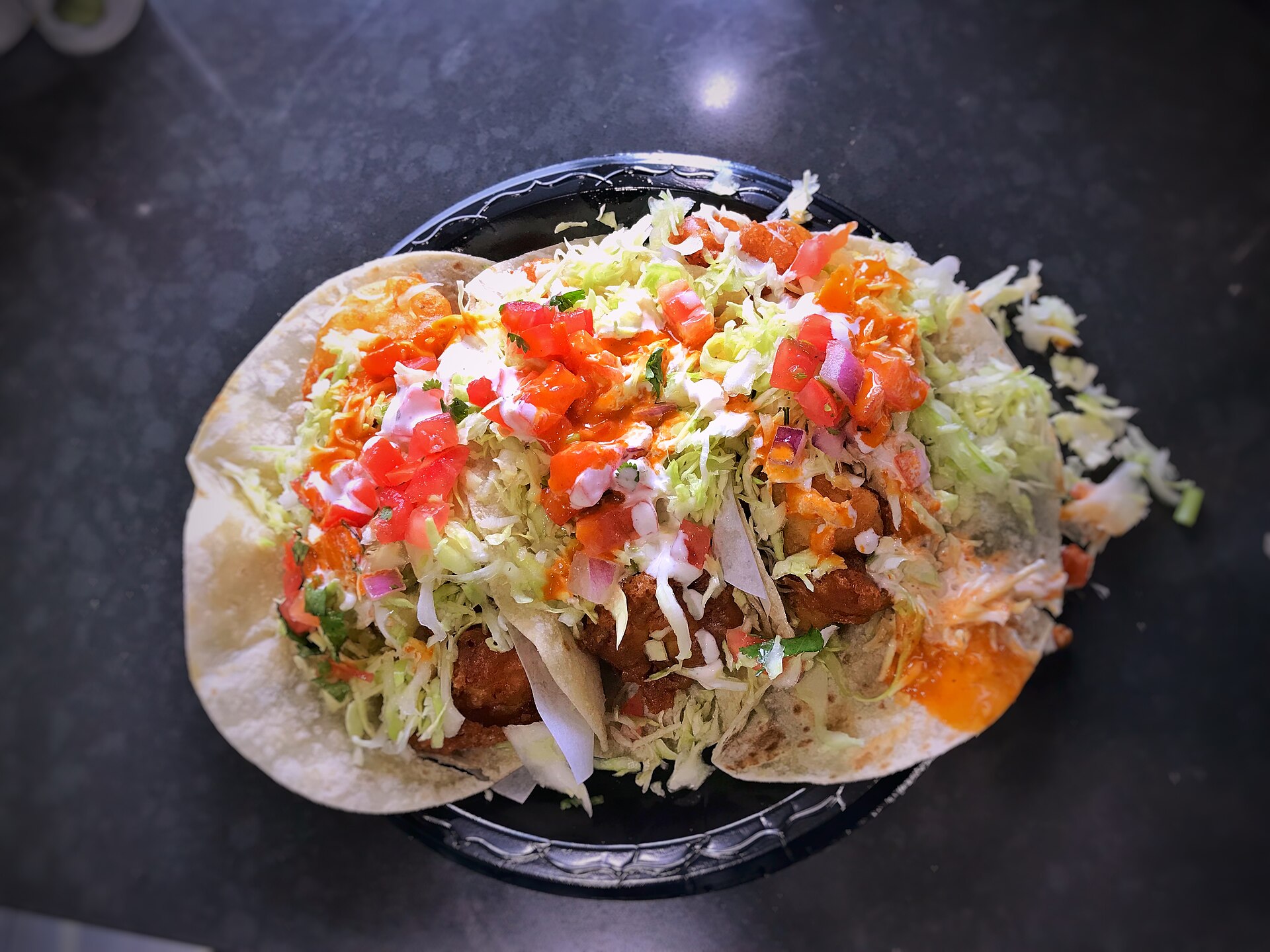
The Baja fish taco is the signature: white fish in a crisp batter, shredded cabbage, a creamy white sauce, pico de gallo and a squeeze of lime, in a warm corn tortilla. It comes from Baja California, just south of the border, and its San Diego fame dates to 1983, when Ralph Rubio, who had found the taco at a stand in San Felipe on a student surf trip, opened the first Rubio's in Mission Bay and put Home of the Fish Taco on the sign. The grilled fish taco, its lighter modern sibling, swaps batter for a charred fillet and is the right order when you want the fish to taste of fish. A proper Baja taco is eaten immediately, standing if necessary; it does not travel, and anyone who tells you to take one home is setting you up for a soggy disappointment.
Tijuana style is the second language: small corn tortillas, meat cooked over mesquite, salsa, onion, coriander and a spoon of guacamole, ordered by the piece and eaten in rounds. The taco to learn first is adobada, marinated pork shaved from a vertical spit, the local cousin of al pastor. Tacos El Gordo, the Tijuana-born operation with a downtown San Diego counter on F Street among its locations, runs separate queues for separate meats, and the adobada queue is the long one for a reason: join it, order two, then decide about a third. Carne asada, grilled beef, is the other benchmark, and a taqueria that cannot do carne asada well cannot do anything well.
Then there is the San Diego vernacular, the food the city invented for itself. The California burrito is a flour tortilla filled with carne asada, cheese, salsa and French fries, a border city invention that makes complete sense at midnight. Carne asada fries are its open-faced relative: fries under carne asada, cheese, guacamole and sour cream, built to share and rarely shared. Rolled tacos, crisp fried taquitos under shredded lettuce, cheese and sour cream, are the third member of the family. Las Cuatro Milpas in Barrio Logan, family run since 1933, is the name locals give you for the old school version of this cooking: a short menu, tortillas made in house and long queues. It closed its original Logan Avenue home at the end of 2025 and reopened in May 2026 a few blocks away inside the Mercado del Barrio on National Avenue, where it now takes cards as well as cash. Barrio Logan more generally, under and around Chicano Park's murals, is where to eat if you want the neighborhood version rather than the visitor version. Expect to pay counter prices at all of the above, roughly a few dollars a taco, with seafood tacos at specialist counters costing more; prices move, so treat any figure you have read, including ours, as a guide rather than a promise.
Little Italy: the market, the piazza and two kinds of dinner
Little Italy, the streets around India Street just north of downtown, was a fishing neighborhood that rebuilt itself as the city's dining room, and it works because it kept a center. That center is the Piazza della Famiglia, the pedestrian piazza on West Date Street, with its fountain, its tables and its cafes, the place you sit before and after everything else.
Time the neighborhood by its market. The Little Italy Mercato, the county's largest farmers market in its Saturday form, runs on West Date Street on Saturdays from 8am to 2pm and in a smaller midweek form on Wednesdays from 9:30am to 1:30pm, year round, rain or shine. Saturday morning at the Mercato, coffee in hand, produce stalls on one side and prepared food on the other, is the single best food hour a visitor can buy in San Diego, and it costs the price of breakfast. Go hungry, buy flowers if you are staying somewhere with a table, and let the market decide what you snack on.
For dinner, the neighborhood offers a clean choice. The old school rooms are the red sauce and family institutions on India Street, where the cooking is generous, the portions are American Italian in scale, and a reservation matters less than arriving before the rush. The new school is the chef-driven end of the same streets: modern Italian, seafood counters and cocktail bars that treat the neighborhood's heritage as an ingredient rather than a theme. Both are legitimate; the mistake is mixing them up, expecting innovation from a red sauce room or comfort from a tasting counter. Book the new school ahead at weekends. Either way, finish on the piazza with an espresso or a gelato, because that is what the piazza is for. Little Italy is also the most convenient food base in the city: the County Center and Little Italy trolley station puts the Blue and Green lines on the neighborhood's edge, and downtown hotels are a walk away.
The craft beer map: North Park on foot, Miramar by car
San Diego County calls itself the Capital of Craft, a name its Brewers Guild trademarked, and the Guild's count is more than 150 independent brewery locations across the county, more than any other county in the United States in the Guild's own account. The style the city gave American beer is the West Coast IPA: pale, bitter, aggressively hopped and unapologetic. You do not need to love it, but you should taste one here, where it was made.
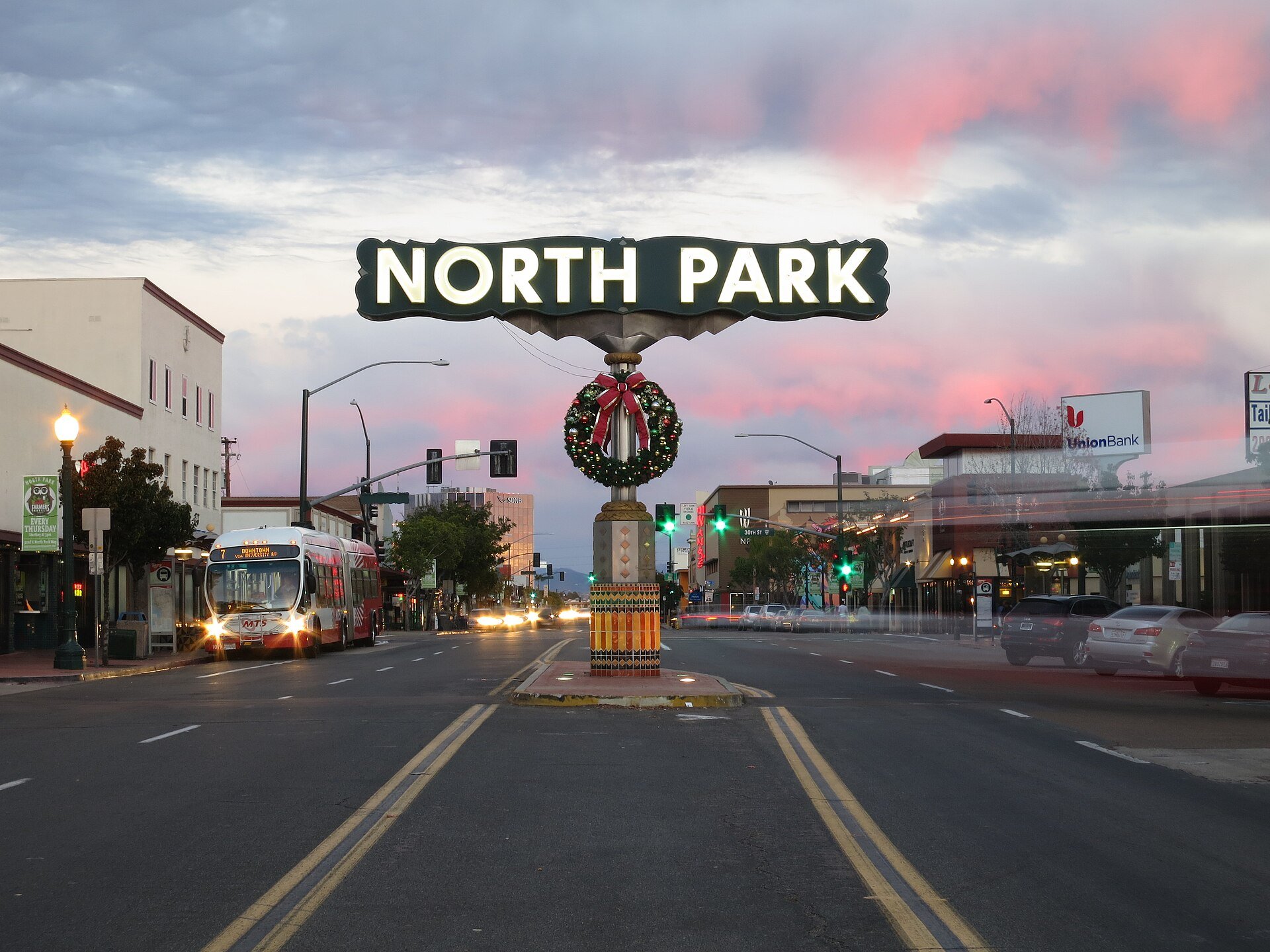
North Park is the walkable map. Around 30th Street and University Avenue, a compact grid of brewery taprooms, beer bars and bottle shops lets you build an afternoon on foot: start with a flight, the small pours that let you taste four or five beers without committing to any of them, move one or two doors, and eat between stops, because North Park's food streets are the same streets. Names change in this neighborhood faster than in any guide, so treat the institutions as anchors rather than a list: North Park Beer Co. on University Avenue is the neighborhood's flagship, and the taprooms around it rotate taps and occasionally tenants. The culture to copy is the local one: flights over pints, water between rounds, and a taco at the end of the street rather than a fourth brewery.
Miramar is the other map, and it needs a car or a rideshare plan. The industrial corridor along Miramar Road and its side streets, nicknamed Beeramar by locals, holds production breweries with large tasting rooms, the places where the beer is actually brewed at scale. AleSmith, one of the most decorated breweries in the country, pours its full range in Miramar, including the Speedway Stout that built its name and the .394 Pale Ale brewed in honour of Tony Gwynn's batting average. Ballast Point's Miramar headquarters is the other big room on the corridor. Tasting rooms here keep industrial estate hours, fill on weekend afternoons with a crowd that drove there on purpose, and often host food trucks in place of kitchens, which is a feature: check the truck, order at the counter, and treat the parking lot as part of the venue. Designate a driver or use rideshares between stops; the corridor is not walkable in any useful sense, and the pours are not small.
Brief notes on the other neighborhoods
Old Town eats Mexican for visitors and does it surrounded by history; eat there as part of a park visit rather than as a destination dinner, and let the handmade tortilla places near the plaza set the standard. The Gaslamp Quarter, downtown, is the city's densest restaurant and bar district and gets its own guide on this site; in food terms, treat it as the convenient option when you are staying downtown, and take its dedicated food tour if you want the district's history served with the eating.
Book the Gaslamp food tourvia Viator · affiliate link
North Park, covered above for beer, doubles as a food neighborhood in its own right, with the same 30th Street corridor carrying many of the city's most interesting mid-priced kitchens. Convoy, in Kearny Mesa inland, is the address locals give for Asian food: a sprawling, car-oriented district of Korean, Chinese, Japanese and Vietnamese restaurants along Convoy Street, and the correct answer to where San Diegans eat when they are not performing eating for visitors. Ocean Beach and Pacific Beach eat casually and well at the taco and seafood counters a block from the sand, which is exactly where that food belongs.
San Diego's food calendar fills the year around these neighborhoods, from restaurant weeks to the Little Italy Festa and the markets that run every week regardless. Check the San Diego What's On events calendar for the dates that land on your trip, and set a food alert so the next festival announcement reaches you before the reservations do.
Stay downtown and Little Italy and the Gaslamp are both a walk from your door:
Search Downtown and the Gaslamp hotelsvia Booking.com · affiliate linkLuxury Downtown and the Gaslamp Staysvia Maison V · our sister company
More reading on the articles page, or go straight to the events calendar.