
Guides · Fri, Nov 13, 2026
Point Loma and Cabrillo: lighthouse, tide pools and San Diego's harbor headland
Cabrillo National Monument is two parks in one: a bay side of history, lighthouse and harbor views, and an ocean side of cliffs and tide pools that only works at low tide. How to time the pools, walk both sides, add Sunset Cliffs, and eat properly at Liberty Station on the way back.
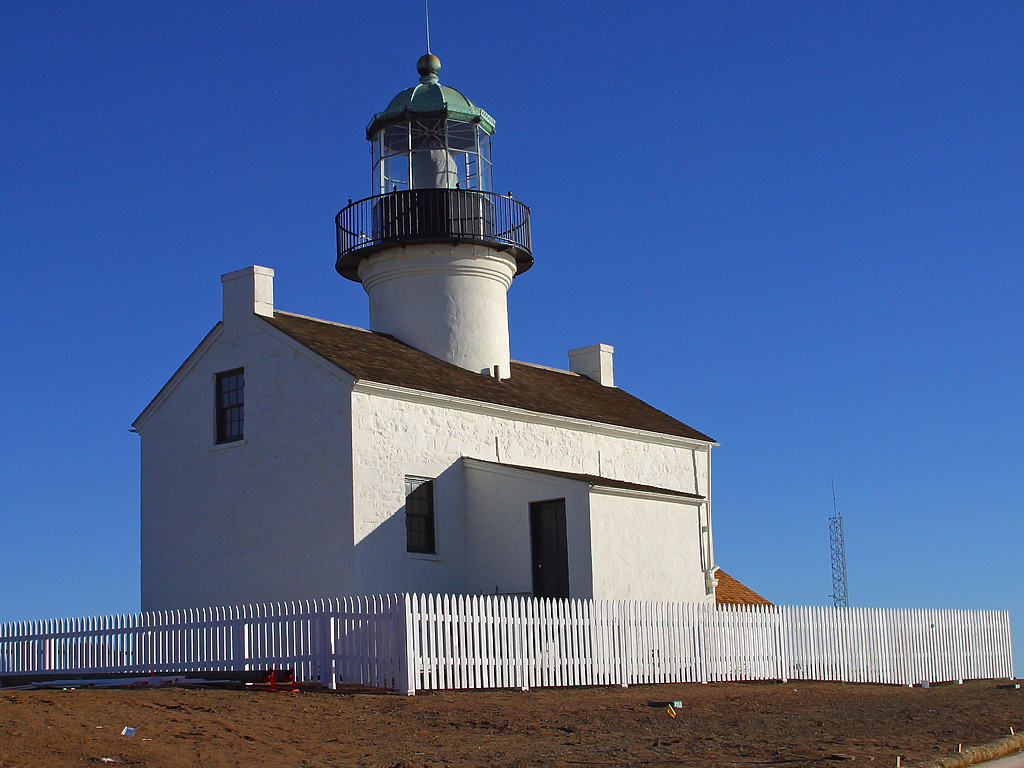
Point Loma is the arm of land that shelters San Diego Bay, and Cabrillo National Monument sits at its tip, where the city ends and the Pacific takes over. It commemorates the landing of Juan Rodríguez Cabrillo at San Diego Bay on 28 September 1542, the first European expedition to reach what is now the West Coast of the United States. That history is the excuse for the park, but the reason to go is the geography: from one small headland you get the harbor, the skyline and the Coronado shore on one side, and open ocean, cliffs and some of the best protected tide pools in California on the other. Planned well, it is the finest half day in San Diego. Planned badly, with the tide wrong, it is a parking lot with a view. The difference is timing, and this guide is mostly about timing.
Start with the tide, not the clock
The tide pools are the whole game, so check the tide before you check anything else. The rocky intertidal zone on the park's western shore is only exposed at low tide, and the National Park Service guidance is that a tide of 0.7 feet or lower gives you the real show: sea stars, anemones, hermit crabs, small fish trapped in the pools, and, if you are patient and lucky, an octopus. At high tide the same rocks are under water and there is, quite literally, nothing to see.
Do it in this order. First, find the day's low tide times and heights: the park publishes tide information on its own site, and any NOAA tide chart for San Diego will do. Second, aim to arrive about an hour before the low point, so you are walking down as the water falls and you have the full window before it turns. Third, check that the low falls inside park hours. This is why autumn and winter are the prime tide pool months: the season's lowest daytime tides land in daylight and inside opening hours, while in summer the best lows often arrive too early or too late in the day. The tide pool area closes at 4:30pm, ahead of the park itself, and the access road can close temporarily when the small parking lots fill on a good low tide weekend, so an early start pays twice.
Wear shoes with grip, expect the rocks to be slick, and keep to the rules that keep this place alive: look, photograph, and leave everything where it is. Nothing gets collected, and nothing gets pried off a rock.
The bay side: lighthouse, statue and the harbor view
The upper part of the monument, reached first as you drive in, is the bay side, and it holds the park's two landmarks. The Old Point Loma Lighthouse, first lit on 15 November 1855, stands at the top of the point, restored as a museum of the keepers' life: small rooms, period furniture, and the lamp room above. It is a gentle irony that the lighthouse was, in one sense, too good: at this height its light was too often hidden by fog and low cloud, and in 1891 it was replaced by a new lighthouse lower down, closer to the water, which still works today. Climb what you can, read the rooms properly, and then walk out to the viewpoints.
From the terraces around the visitor center the view runs across the mouth of the bay to Coronado and the downtown skyline, with the harbor traffic below: naval ships, container traffic, pilot boats and pleasure craft threading the channel. The big statue of Cabrillo looks out over it all. Give the visitor center twenty minutes for the exhibition on Cabrillo's voyage and the coast's longer Kumeyaay history; it makes the headland make sense.
The Bayside Trail is the bay side's walk: about 2.5 miles there and back, dropping below the lighthouse through coastal sage scrub with the harbor opening up as you go. It is the quiet side of the park, it closes at 4pm, and on a clear morning it is one of the best short walks in the city. In winter, keep an eye on the ocean side overlooks as well: grey whales migrate past Point Loma, closest to shore here, roughly from mid December into March.
The ocean side: cliffs, pools and the wilder park
A short drive or walk down from the upper area, the park changes character. The ocean side is wind, cliff and surf: the Coastal Trail along the shore, the Kelp Forest and whale overlooks, and the tide pool terraces below. Even on a day when the tide is wrong for pooling, this side earns the trip on its own, because it shows you the coast as it was: no buildings in your sightline, pelicans working the cliff edge, and the swell coming in off deep water.
Do the two sides in tide order, not in the order you meet them. If the low tide is early, go straight to the pools on arrival, while the window is open, and do the lighthouse afterwards. If the low is in the afternoon, reverse it: lighthouse and Bayside Trail in the morning, a pause for lunch, then down to the shore as the water falls. The park is small enough that this is easy; the only real mistake is arriving at the pools at high tide and shrugging.
Practicalities: entry, hours and getting there
The monument is open daily from 9am to 5pm, closed on Thanksgiving Day and Christmas Day, and the trails and tide pools close earlier, as noted above. Every visitor needs an entrance pass: expect to pay US$20 per private vehicle for a pass valid for seven days, or US$10 per person arriving on foot or by bicycle, with the monument's own annual pass (US$35) and the America the Beautiful pass also accepted. Passes are sold at the entrance station, which stops selling them shortly before closing, so do not plan a 4:45pm arrival.
There is no food to speak of inside the park and little shade at the pools, so bring water, a hat and sunscreen. Driving is the straightforward way: the monument stands at 1800 Cabrillo Memorial Drive, about 25 minutes from downtown in ordinary traffic, and parking is included with entry but fills on fine weekends. Without a car, the MTS bus towards Point Loma plus a walk or a rideshare for the last stretch is workable, but check the return before you go in, because phone signal at the tide pools can be patchy and the park empties promptly at 5pm.
Sunset Cliffs and Liberty Station: finishing the peninsula
Point Loma does not end at the park gate, and the best version of this day has two more stops. Sunset Cliffs Natural Park, a few minutes north along the coast, is a 68-acre cliff top park of carved bluffs, arches and sea caves, free to enter and, as the name promises, built for the end of the day. There is no single viewpoint to tick off; you walk the cliff top path, pick your ledge, and watch the light go. Park on Sunset Cliffs Boulevard, stay back from crumbling edges, which are signed for a reason, and never climb down to the shore here at anything but a calm low tide.
For food, stop on the way back into town at Liberty Station, the former Naval Training Center turned arts and food district on the harbor side of Point Loma. Its food hall, Liberty Public Market, is the easy answer for a group that cannot agree: a dozen or so counters, local coffee and beer, and tables inside and out, with the old naval parade ground and arcades around it for a wander afterwards. It turns a park visit into a full peninsula day without a single chain restaurant, and it is five minutes from the monument road.
Stay near the harbor, downtown or in the Gaslamp, and Point Loma is an easy drive or ride from your base:
Search Downtown and the Gaslamp hotelsvia Booking.com · affiliate linkLuxury Downtown and the Gaslamp Staysvia Maison V · our sister company
Point Loma rewards the visitor who checks one chart before leaving. Set a San Diego What's On alert, or keep an eye on the events calendar, and we will flag the season's best low tide weekends and the whale season openers as they land.
More reading on the articles page, or go straight to the events calendar.